Australian phase III palovarotene trial site opens!

FOP Australia is excited to announce the upcoming commencement of the phase 3 clinical trial of Palovarotene in Brisbane later this month.

This is a big achievement for the Fibrodysplasia Ossificans Progressiva community in Australia and we are thankful for everyone that has been involved to make this a reality.

Professor Matt Brown, Dr Ben Whitehead, and Ms Linda Bradbury are delighted to be working with FOP Australia in enabling Australia’s FOP community to get access to effective treatment for FOP through this clinical trial.

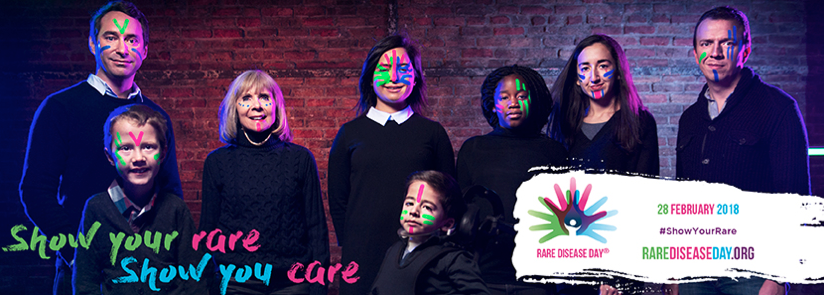
The above image was made for Rare Disease Day 28th February 2018 based on input from the Australian FOP community as words that give them hope.


Newsletter Issue 6: FOP Awareness Day and more!

Our latest quarterly newsletter is being released today to mark April 23rd, FOP Awareness Day. In this issue:

  • FOP Awareness Day: The international community unite to raise awareness
  • New resources: Educational flyers to share our key messages
  • Research news: IFOPA Webinars on key community issues
  • Online fundraisers: Do you have your 2017/18 Entertainment Book yet?

You can also check out previous newsletters online here. Make sure you receive the FOP Australia newsletters directly by signing up as a member for just $10 per year (or free for health professionals or people living with FOP who contact us at info@fopaustralia.org).


Rare Disease Day 2018

International Rare Disease Day takes every year on the last day of February to draw the globe’s attention to rare diseases and their impact on peoples’ lives. It was initially launched by EURORDIS to raise awareness amongst policy makers, public authorities, researchers, health professionals and the general community. On rarediseaseday.org you can find information about the thousands of events happening around the world and see the official Rare Disease Day video (which this year features Alexandre and Antoine from FOP France!).

So what can you do to show your support for people living with Fibrodysplasia Ossificans Progressiva on Rare Disease Day?

  • Raise awareness: Take time to read our ‘My Life with FOP’ page and share the stories of people living with FOP amongst your friends and family to help our voices be heard.
  • Share words of hope: See the growing word cloud on our Facebook page, and add your words of hope.
  • Join FOP Australia: For just $10 per year, show your support all year long and stay in touch with the latest research news and community developments.
  • Support our fundraisers: Buy a reusable Eco-cup for just $15, join our Coffee Club, or even just shop online to support FOP Australia!
  • #ShowYourRare: Download profile pictures, banners, posters, email signatures and more from rarediseaseday.org/downloads .

To learn more about the goals and activities of FOP Australia, visit the ‘About Us’ section and check our our quarterly member newsletters.


Meet Jarvis…

Meet Jarvis – a cheeky and funny six year old who loves to sing U2 songs and race around the park.

Jarvis is young and so when suddenly the simple things in life like running, swimming in the pool, or even getting dressed suddenly become harder, naturally he gets frustrated and it’s hard to explain to a child of four that somehow, randomly in the universe of life – he was given a rare disease to live with.

You see, Jarvis has FOP (Fibrodysplasia ossificans progressiva) – one of the rarest, most disabling genetic conditions known to medicine. FOP causes bone to form in muscles, tendons, ligaments and other connective tissues. Bridges of extra bone develop across joints, progressively restricting movement and forming a second skeleton that imprisons the body in bone. There are no other known examples in medicine of one normal organ system turning into another.

FOP affects approximately 800 people around the world, of which, fifteen are confirmed to live in Australia. The biggest indicator of FOP in babies is deformed big toes. Yet medical professionals are largely unaware of this warning sign given the disease’s 1 in 2 million incidence rate.

Jarvis was born in Brisbane, Australia and diagnosed at around 2 years old, nine months after he hit his head on some tiles. His head swelled so much he couldn’t open his eyes. After countless visits to the hospital, neurologist, paediatricians, plastic surgeons, he was finally referred to a geneticist for testing for fibromatosis. No-one even considered FOP.

Around this same time there was a segment on a current affairs program discussing another Australian patient – Zach and his mum Laurin. Lara didn’t see the program but her girlfriends did, and immediately thought Jarvis might share Zach’s condition.

“The next day I contacted the hospital only to be told it wouldn’t be FOP as it is such a rare disease. Unfortunately a lot of people with rare diseases face this initial response”, Lara recalls.

“Eventually, we found a specialist in Australia who was confident from photos I had sent – that Jarvis did indeed have FOP. Genetics Queensland then confirmed this. We felt numb and ignorant as to what this meant for our son” she says.

After working tirelessly to raise funds to allow them to travel with Jarvis to the 2014 Manchester FOP conference, Jarvis was seen by world-renowned FOP experts from the University of Pennsylvania, Drs Kaplan, Pignolo and Shore.

“We have learnt so much from other families on how they deal with their child having FOP and we have made lifelong friends who are providing a great support for us while Jarvis is going through his first flare up”, says Lara.

Watching Jarvis going through his first flare up is extremely difficult for his parents. He’s been suffering since September 2015 with moving masses of muscle in the upper body – restricting movement in his arms and neck.

“We thought we had time, we thought an approved treatment would be here before he had to go through anything”, sighs Lara. But that hasn’t been the case. “Our Jarvis is resilient, he’s funny, he loves U2 with a passion and we believe his love of music is really helping him. He has not let these flare ups stop him one bit. He has had them for nearly five months”, Lara explains.

“FOP is unpredictable and never the same in anyone and with no effective treatment – watching his little body be ravaged by this disease breaks our hearts”, Lara says sadly.

But despite this, the global FOP community has real hope of a treatment or cure – with several drug trials and studies taking place around the world. One of these includes a site in Brisbane under Professor Matt Brown of the Queensland University of Technology.

Jarvis’ experience prompted Lara and other Aussie FOP families to establish Australia’s first FOP not-for-profit organisation, FOP Australia, which has been up and running since May 2015 and hopes to raise much needed funds for medical research and patient support for Australian living with FOP.

“In just a few short months, Jarvis can no longer lift his hands above his head or bend down to pick something off the floor. It’s terrifying”, says Lara.

“We desperately need funding for drug trials, medical research and access to experts” Lara says passionately. “We’ve had so much support from our friends and FOP community so far, and we know there will be more now that FOP Australia is up and running” Lara says hopefully.

Written by inaugural FOP Australia board director Maris Stanley

28 February is Rare Disease Day, when activities are held around the world to show people living with rare conditions to know they have the support of a community behind them. Explore our web page to learn more about life with FOP by reading our other profiles, learn more about the disease, find out about the work and goals of FOP Australia. There are also links to many ways you can contribute to the fight to beat FOP – by supporting our fundraisers, joining our membership, or donating online.  You can also show your support by liking our Facebook page.

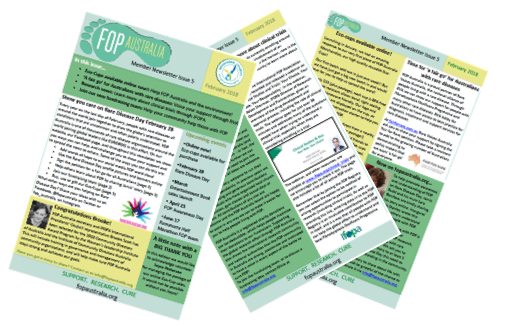
Member Newsletter 5 out now!

Our latest quarterly newsletter is available now, just in time for Rare Disease Day on February 28! This newsletter includes suggestions for how you can mark Rare Disease Day by promoting awareness of Fibrodysplasia Ossificans Progressiva, helping FOP Australia, and advocating for those with rare diseases. In this issue:

• Eco-Cups available online now!: Help FOP Australia and the environment!

• ‘A fair go’ for Australians with rare diseases: Voice your support through Rare Voices Australia

• Research news: Learn more about clinical trials through IFOPA

• Join our new fundraising team: Help your community help those with FOP

You can also check out previous newsletters online here. Make sure you receive the FOP Australia newsletters directly by signing up as a member for just $10 per year (or free for health professionals or people living with FOP).


Happy New Year 2018!

Thank you for all your support during 2017 – you helped FOP Australia smash fundraising goals, build support networks in our community, and help groundbreaking research! 2018 will be an exciting and critical year in the effort to find a cure for FOP, with three clinical trials underway globally, including the phase III palovarotene trial planned to open in Australia!

Sadly though, the new year also brings a reminder that every single year people with Fibrodysplasia Ossificans Progressiva can lose mobility, independence, and even their lives. Every year without a treatment means progression of this devastating disease, and is a reminder that we are racing the clock to find a cure.

FOP Australia need your support today. There will be a range of fundraisers throughout the year (including a brand new initiative launching this week!), and we would love to add your fundraising ideas too! If you can donate, any amount is welcome and greatly appreciated. If you are not able to donate, share/like/tweet our news and invite your friends to our fundraisers, website or Facebook page. Or contact us and we will help you find a way your skills and time can help in the fight to #cureFOP.


Member Newsletter Issue 4 out now!

Our last newsletter of 2017 is now available here, and will be emailed to all members today.

In this issue…

  • FOP Australia Coffee Club: Help #cure FOP for the cost of a coffee a week!
  • Building our capacity for advocacy: Finding our voice with Rare Voices Australia
  • Research news: Your supports funds research into new FOP therapies!
  • Introducing the board: Meet the team for 2017/18

FOP Australia publishes quarterly newsletters, and welcomes contributions from members, supporters, clinicians and sponsors at info@fopaustralia.org.


News from the 2017 Drug Development Forum

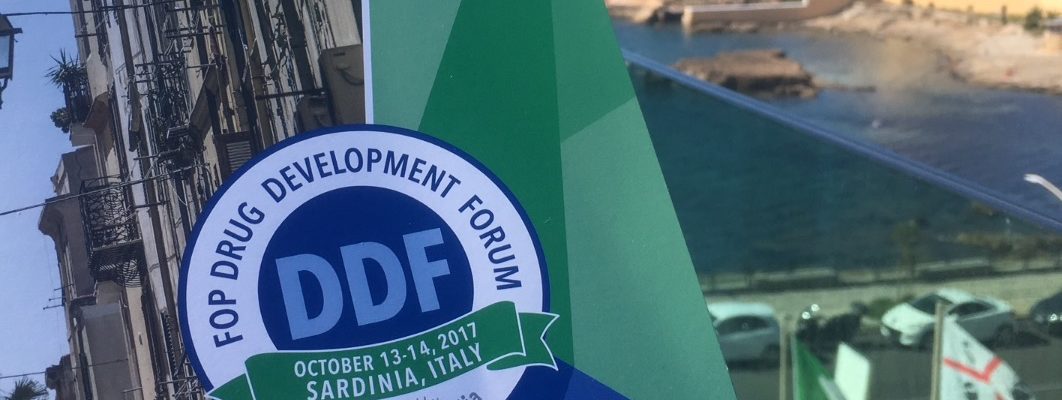
The International Fibrodysplasia Ossificans Progressiva Association and FOP Italia 2017 Drug Development Forum was held in Alghero, Italy on the 12th and 13th of October. Over 180 people attended, including representatives from pharmaceutical companies, academic research centres and community organisations all around the world. FOP Australia congratulate our allies co-hosts IFOPA FOP Italia on a successful event at this pivotal time for the FOP community, and are excited to bring you the following news from the forum:


Drug development and clinical trials
  • Clementia announced plans for phase III trial of palovarotene, beginning enrolment 2017. Planned for 18 sites across 14 countries, including Australia. Trial details are now online at https://clinicaltrials.gov/ct2/show/NCT03312634. The trial is still going through regulatory and planning stages in Australia – FOP Australia will keep you informed as more news becomes available.
  • Clementia are preparing for public release of preliminary results from the phase II open label extension study of palovarotene.
  • Regeneron announced further details of their phase 2 trial of anti-activinA REGN2477, planned to start enrolling in 2017! Currently no plans to enrol in Australia but FOP Australia will stay in touch for future opportunities.
  • Professor Toguchida of Kyoto confirmed details of rapamycin trial in Japan planning to enrol 20 people with FOP at 4 sites within Japan. We look forward to results to help us learn more about the role of mTOR inhibition in potential FOP therapy.
  • The potential for further assessment of saracatinib (based on foundational research), and of imatinib (based on case studies) was also discussed.


The start of the era of clinical trials in FOP is exciting, but also challenging for the international community. Like many rare diseases, there is limited capacity for the number of patients that can be enrolled in trials and studies need to be designed carefully to make sure the maximum possible benefit is gained from every person’s participation. The collaboration and commitment of the academic centres and companies is very encouraging in this regard, as demonstrated by the cooperation at the IFOPA Drug Development Forum where the need for responsible trial design was a recurring theme.


Another challenge in the era of clinical trials is ensuring people with FOP have the appropriate information to make decisions about whether they will participate in a trial. This has been identified by the IFOPA International Presidents’ Council and Research Committee as a current priority for the organisation.


Other developments in clinical care and monitoring
  • The potential for PET scans in identifying sites of bone formation early in the flare process, as described by researcher from Amsterdam at the 2016 Boston DDF, has been recognised by the inclusion of this type of scan in the Regeneron trial.
  • Dr Paul Yu at Harvard presented his work in mice with FOP that shows that voluntary exercise was associated with less bone development. Caution is required in applying this to humans, but it may be supportive of longstanding recommendations by international clinical leaders and many reports from those living with FOP that there may be some longterm benefits in optimising muscle function from gentle exercise.
  • Work by Dr Ben Levi at the University of Michigan has begun exploring the role of specialised ultrasound in very early detection of bone formation. This raises the potential of a more accessible, radiation-free modality for clinical monitoring, if supported by further research.
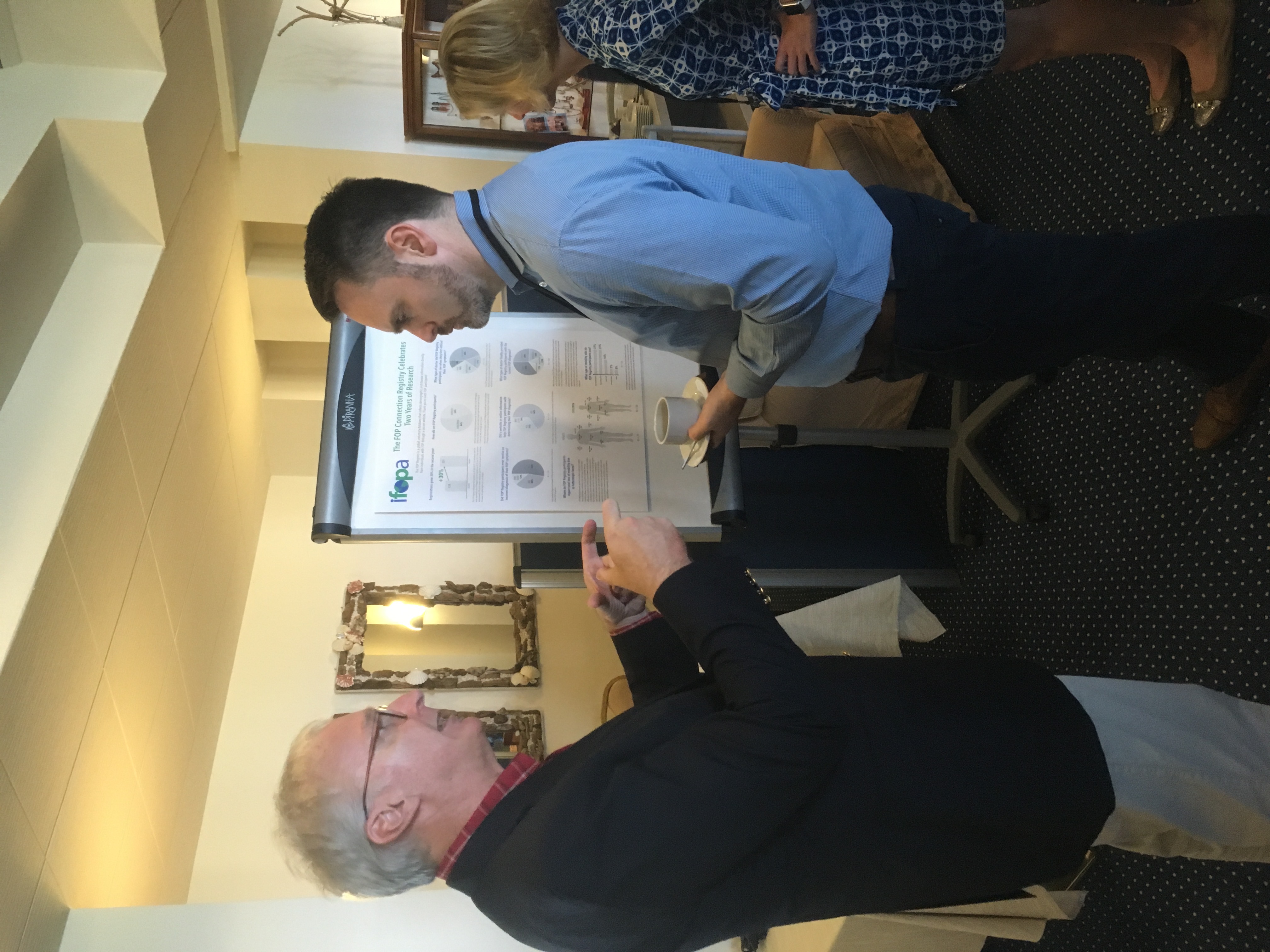
  • The 2nd annual report from the FOP Patient Registry was previewed in a poster session. The information gained from the registry will be a key component of future applications for drug approval by regulatory bodies, and crucial for future interpretation of drug trials. But it also describes important issue with the current clinical journey of FOP patients, including over half of patients receiving an incorrect diagnosis. This highlights the need for increased physician awareness of FOP to improve clinical care. This is recognised as a goal by IFOPA and in the current FOP Australia strategic plan.
  • The DDF Q+A sessions and patient panel highlighted other clinical issues for the researchers present, to help them ensure work considers factors most important to those living with FOP. This included the frequent issues of pain management and fatigue.
  • Professor Kaplan announced the formation of the International Clinical Council for FOP, a group of experts who will provide consensus and guidance. Queensland Univeristy of Technology’s Professor Matt Brown is a member of this group and attended the ICC meeting held following the DDF.


Alongside development of therapeutics there are several key areas of ongoing research that will need to guide clinical management of FOP, including the ongoing search for biomarkers to monitor progress and drug effect. This has been acknowledged at the forum as a priority for future study.


Foundational science
  • Four 2017 IFOPA Competitive Research Grant winners were announced from a highly competitive field. This included a collaborative project between Dr Ed Hsiao of University of California, San Francisco and Dr Pam Yelick, Tuffs University on interrogating new FOP therapies using an in vivo zebrafish model. FOP Australia is very proud to sponsor this project which will not only learn more about specific drugs, but also enable a new way to safely understand other therapies in future studies as well.
  • Other CRG winners include Dr Jay Groppe’s (Texas) innovative work on novel ways to stop new bone growth by destabilising the ALK2 receptor, analysis of ALK2 inhibitors by Dr Dan Perrien (Vanderbilt), and muscle regeneration in FOP Dr Yuji Mishina and Dr Ben Levi of Michigan
  • Dr Eileen Shore from the University of Pennsylvania provided a detailed updated to the IFOPA research committee on the broad range of FOP-related research in her lab. This including many upcoming publications on understanding why and how new bone develops in FOP, and identifying targets for inhibiting this process.
  • The role of macrophages in new bone development continues to be explored and researchers from many centres shared information about how the immune system may be involved in FOP.
  • Other topics of foundational science presentations and discussion included ALK2 inhibition, BMP signalling pathways, and the role of progenitor cells andthe microenvironment in bone formation.


Associated meetings

To make the most of the opportunity to meet in person, meetings of the IFOPA International Presidents’ Council, the International Clinical Council and IFOPA Research Committee were held in Alghero, all attended by representatives from Australia. The meeting also provided an opportunity to share ideas and learnings with other community organisations, including many useful ideas for FOP Australia from our international friends on how to continue to grow and achieve our goals of supporting global FOP research and our local FOP community.


Notes provided by Dr Lydia Scott, chairperson and FOP Australia representative at the forum.
Disclosures: No disclosures or conflicts of interest to declare regarding pharmaceutical companies or involvement with participating academic centres. Accomodation was subsided by IFOPA. No FOP Australia funds were used to attend the forum.


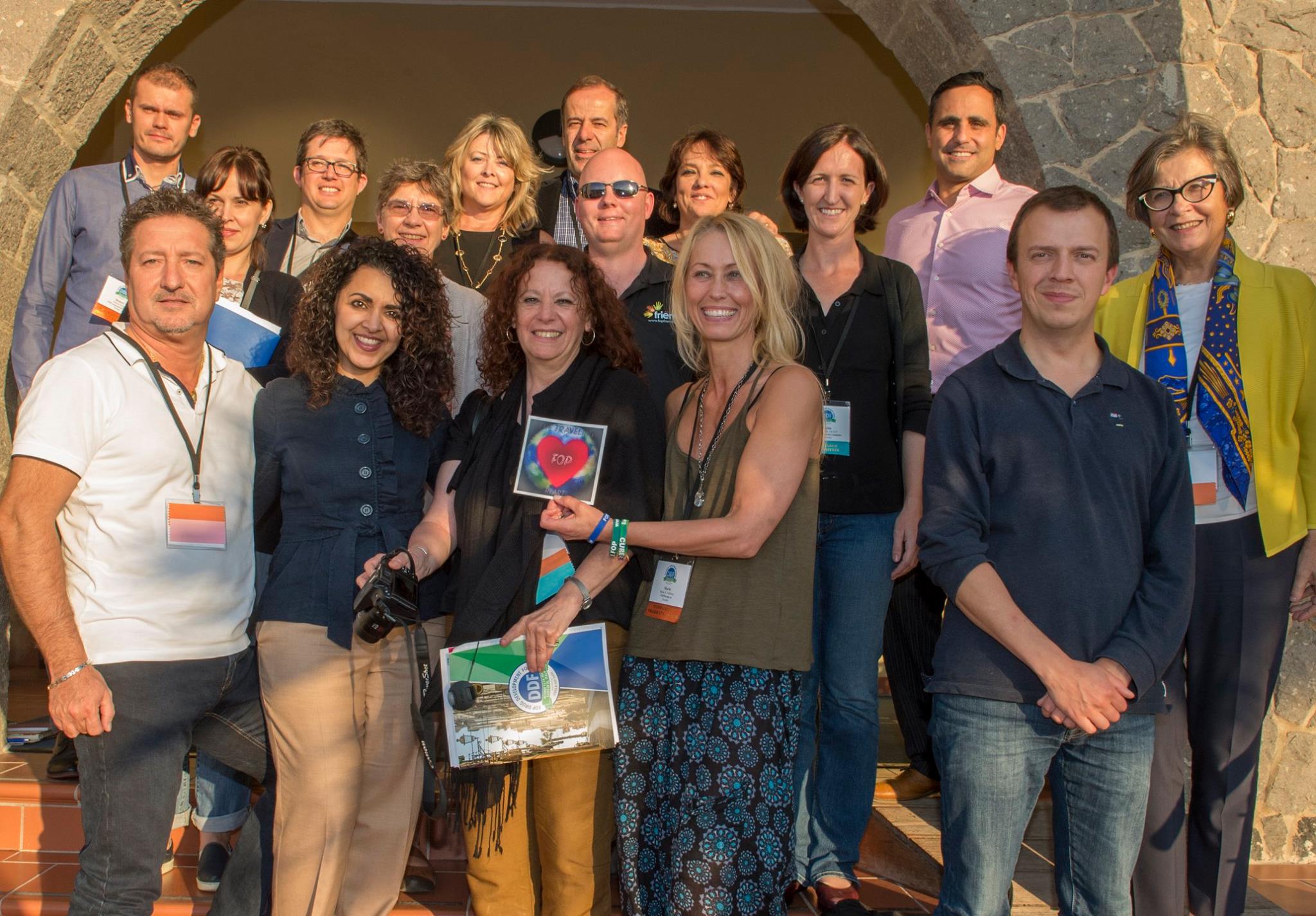
Representatives from community organisations from 14 countries at the 2017 IFOPA International Presidents’ Council meeting.

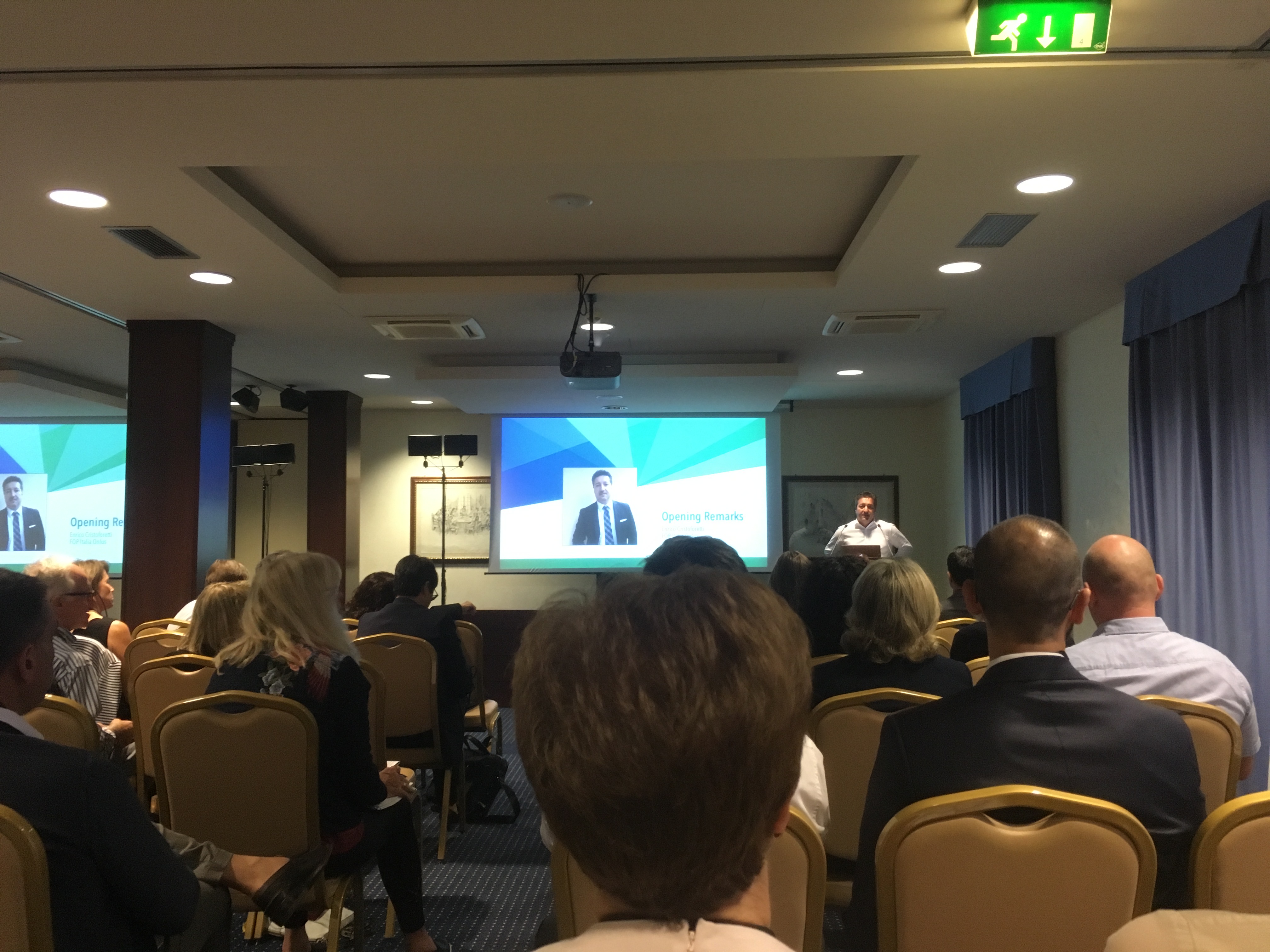
Enrico Cristoforetti from co-hosts FOP Italia giving opening remarks of the IFOPA DDF to a packed room.

Two key contributors to the discovery of the FOP gene, Australia’s Professor Matt Brown from Queensland University of Technology and Professor Fred Kaplan from the University of Pennsylvania reunite at the International Clinical Council meeting in Alghero, Italy.

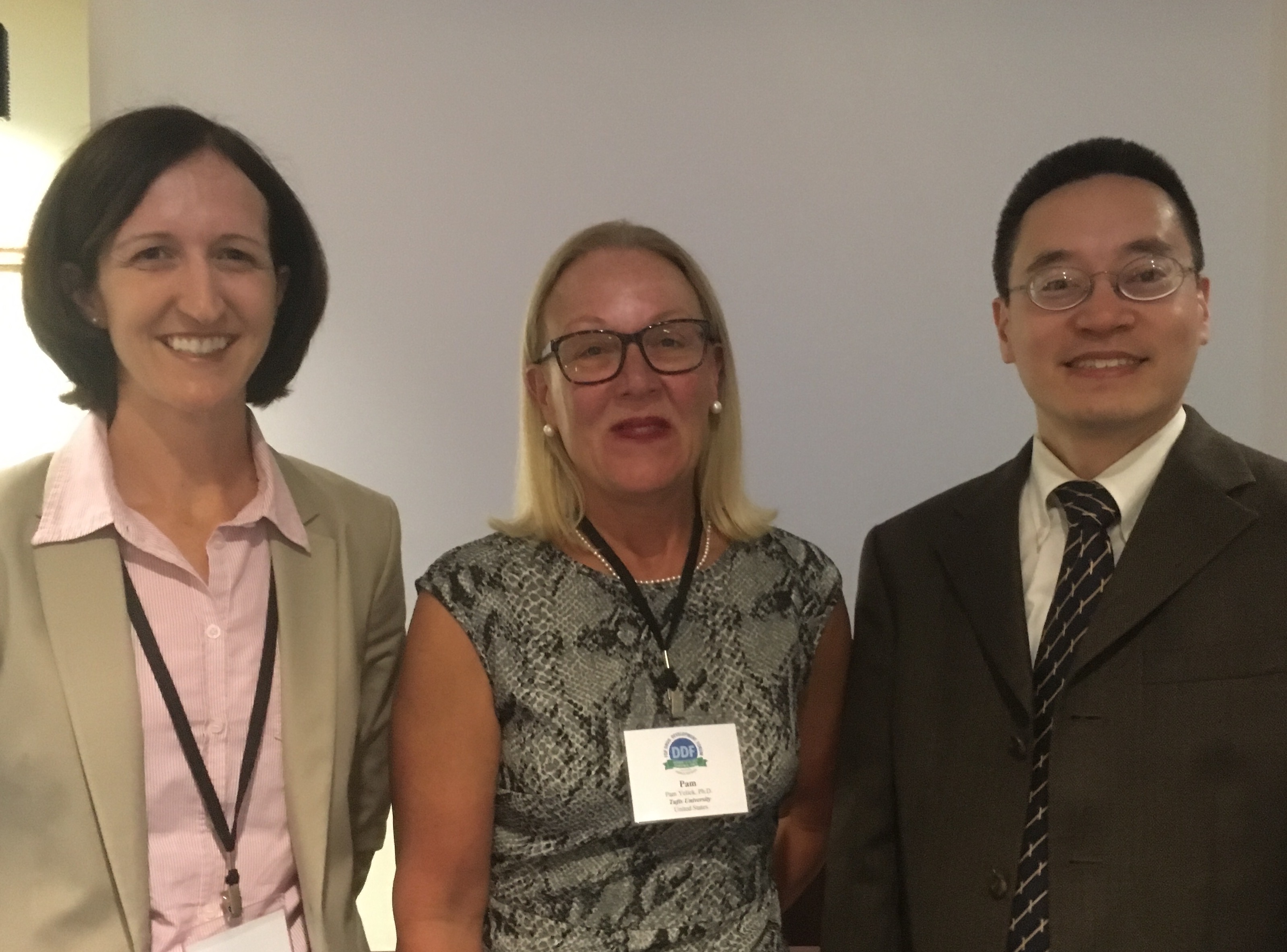
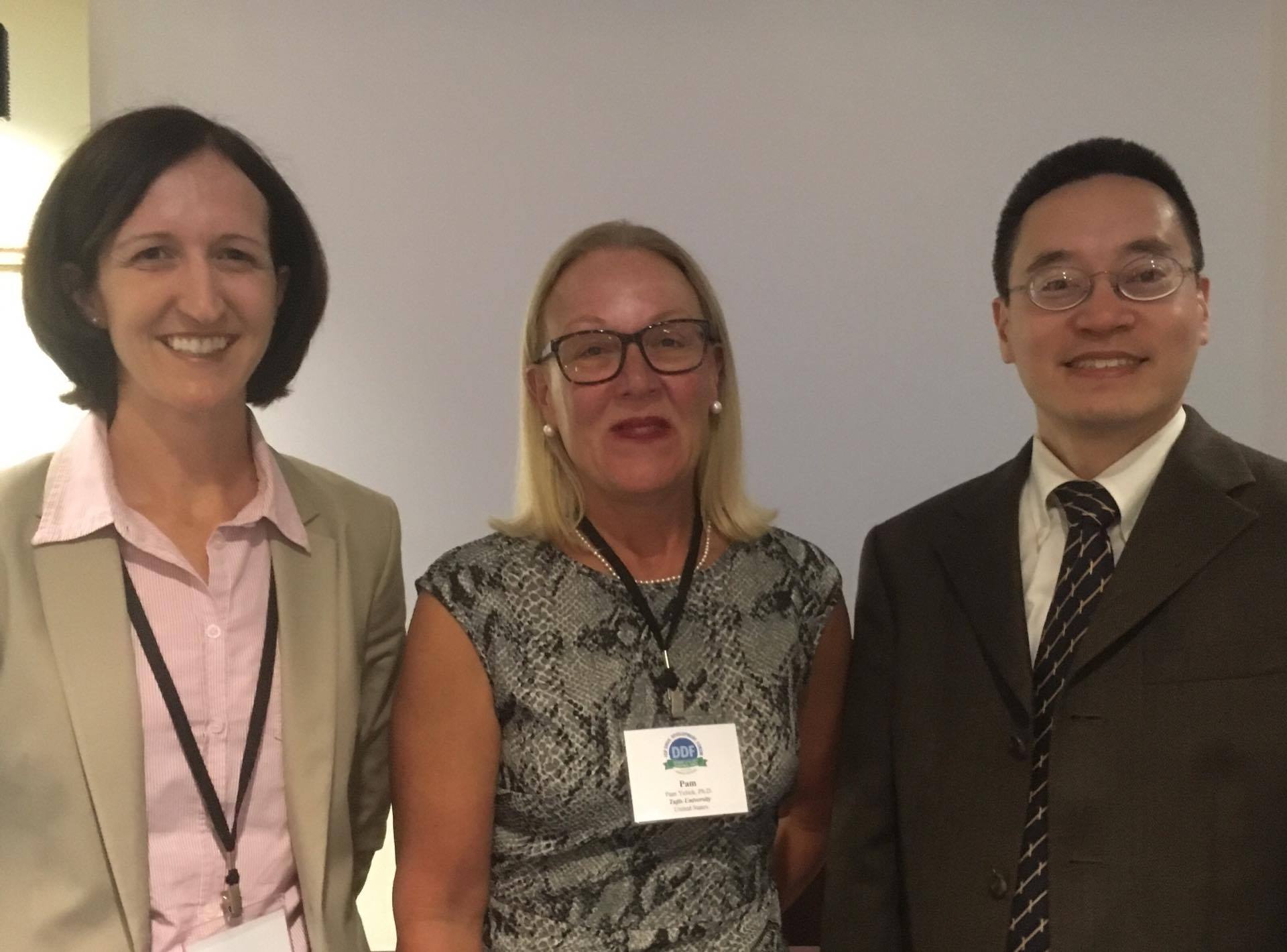
Chairperson Dr Lydia Scott congratulates A/Prof Ed Hsiao and Prof Pam Yelick on their IFOPA Competitive Research Grant, proudly sponsored by FOP Australia.

Neil Mantick explains the latest news from the FOP Connection Registry at the 2017 DDF.

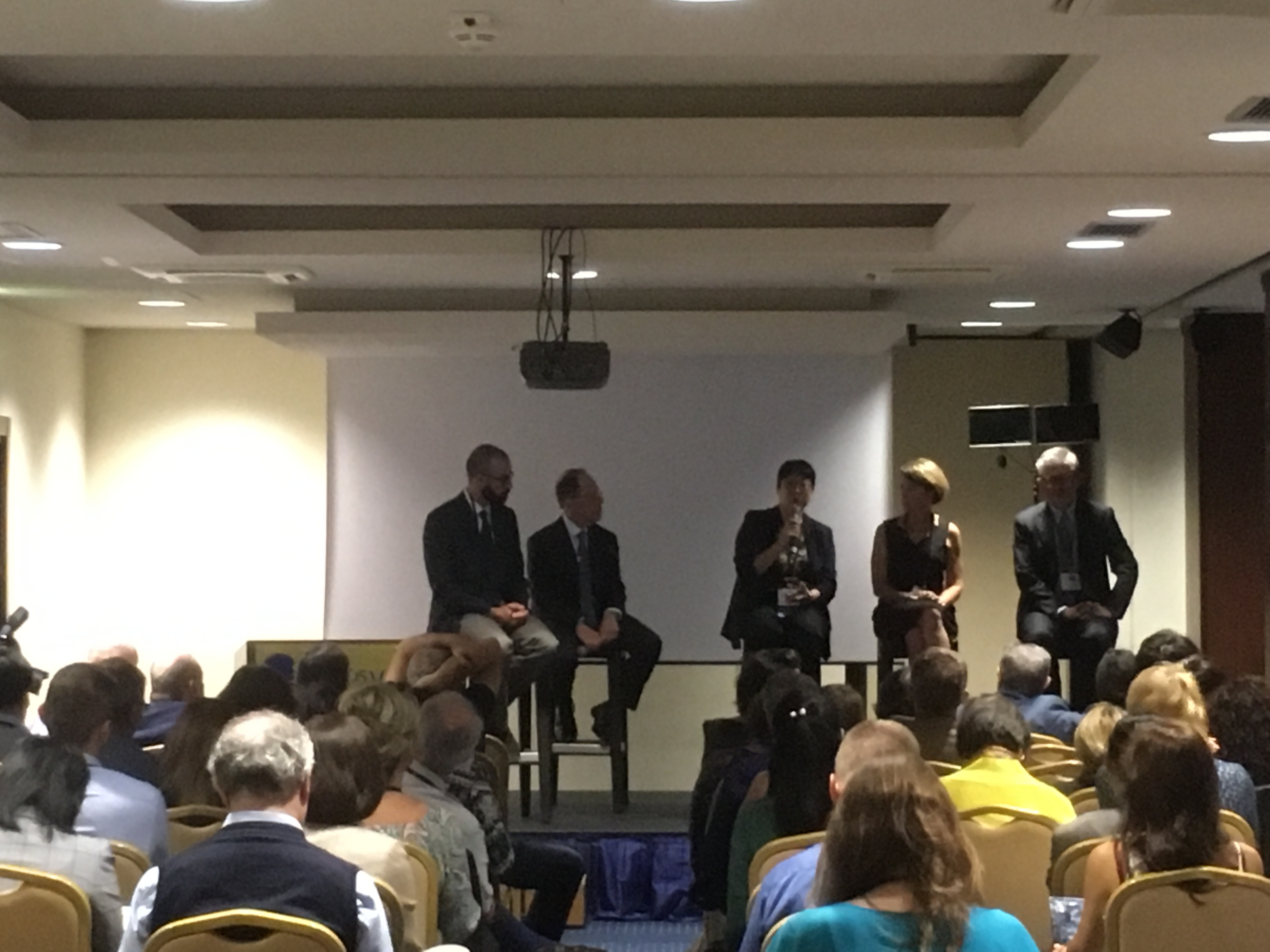
Stelios Tsigkos the European Medicines Agency and Professor Fred Kaplan from University of Pennsylvania join a panel session to discuss presentations of the upcoming clinical trials: Donna Grogan (Clementia), Xiaobing Qian (Regeneron) and Professor Toguchida (University of Kyoto).


FOP Australia proudly support ground breaking research: 2017 IFOPA Competitive Research Grant winners

FOP Australia support ground breaking international FOP research through the IFOPA Competitive Research Grant program. We are very proud to sponsor a new project by Associate Professor Ed Hsiao at University of San Francisco, and Professor Pamela Yelick at Tuffs University looking at ‘Interrogating new therapeutic targets for human FOP’ . This project will not only look investigate new treatments, but in doing so will also develop a new zebra fish FOP model which will be a helpful tool for future in vivo FOP research.

Many FOP Australia supporters will know of A/Prof Hsiao’s clinical and research FOP work, including his role as a primary investigator in clinical trials. In the spirit of collaboration so crucial for rare disease research, he formed a partnership with Prof Yelick following the 2016 Drug Development Forum, both recognising the potential for new in vivo models to test potential FOP treatments.

A/Prof Hsiao and Prof Yelick’s collaboration was one of four CRG winners announced from a highly competitive field at the IFOPA Drug Development Forum on the 14th October. The CRG program is designed to accelerate progress towards transformative FOP therapies, with applications from researchers all over the world reviewed by an expert independent scientific advisory board. Supporting this process enables FOP Australia to make sure that your donations are used for maximum effect in the fight to #cureFOP.

Thank you for your ongoing support of FOP Australia and crucial work by researchers such as A/Prof Hsiao and Prof Yelick. We look forward to keeping you informed of their progress.

FOP Australia chairperson Dr Lydia Scott congratulates A/Prof Ed Hsiao of UCSF and Prof Pam Yelick from Tuffs University, 2017 IFOPA Competitive Research Grant recipients

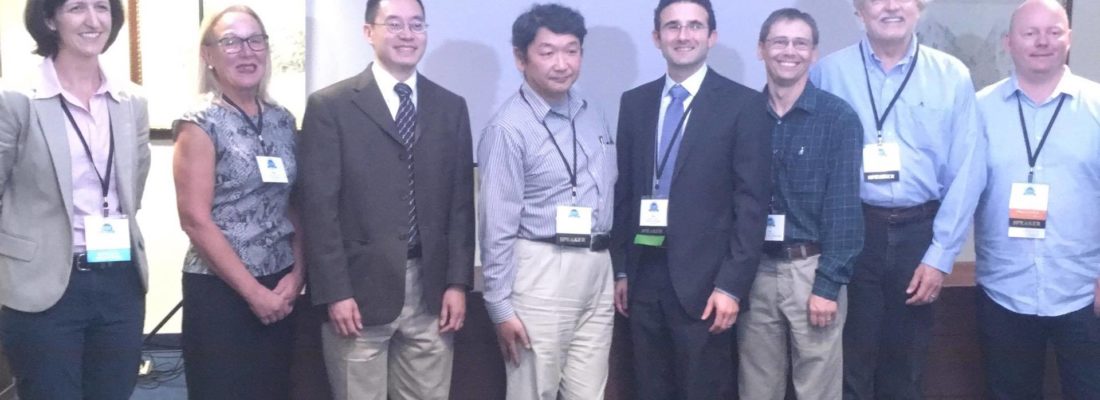
Title photo: FOP Australia chairperson Lydia Scott  and FOP Friends (UK) chairperson Chris Bedford-Gay congratulate the 2017 IFOPA Competitive Research Grant recipients: Pam Yelick, Ed Hsiao, Yuji Mishina, Ben Levi, Daniel Perrien, and Jay Groppe


FOP Australia Member newsletter issue 3!

Member Newsletter Sept 2017 Issue 3 is out now!

In this issue…

– $30,000AUD donated to FOP research

-2017 FOP Trivia night in Victoria

-Clinicial trial update

-Jarvis joins the bombers
… and more!

If you have news or information to share with the FOP community, or would like to suggest future topics, we would love to hear from you!

All members will receive this by email. If you do not receive your emailed copy of the newsletter within the next week please get in touch by emailing us with your updated contact details at info@fopaustralia.org